Safety doesn’t happen by accident. It’s built through consistent communication, situational awareness, and proactive risk management—starting with effective toolbox talks. These short, focused safety meetings are more than routine check-ins; they’re frontline defenses against accidents, injuries, and operational downtime. But too many teams rely on the same three topics or recycle outdated content, missing real opportunities to engage workers and address emerging hazards.
The key to impactful toolbox talks lies in relevance, variety, and timeliness. A well-chosen topic can spark meaningful discussion, clarify procedures, and reinforce a culture of accountability. This guide delivers a practical, actionable list of toolbox talk topics—grouped by category, enriched with real-world examples, and paired with insights on how to deploy them effectively.
Why the Right Toolbox Talk Topics Matter
Selecting the right topic isn't just about compliance. It's about connecting safety to the day’s work. A talk on ladder safety before a roofing crew begins work is timely and practical. Discussing heat stress in July on a paving crew hits harder than a generic “personal protective equipment” talk.
Common mistakes include: - Repeating the same topics quarterly - Choosing overly broad subjects (e.g., “General Safety”) - Failing to tailor the discussion to the current task or environment
The best toolbox talk topics are specific, actionable, and tied to real risks. For example, instead of “Slips, Trips, and Falls,” focus on “Preventing Falls on Wet Concrete Surfaces During Interior Finishing.”
Workflows that integrate toolbox talks into daily planning—like syncing them with shift handovers or equipment checks—see higher retention and fewer incidents.
High-Impact Toolbox Talk Topics by Category
#### General Safety Awareness
These foundational topics set the tone for a safety-first culture and are ideal for onboarding or weekly refreshers.
- Personal Protective Equipment (PPE) Inspection and Use
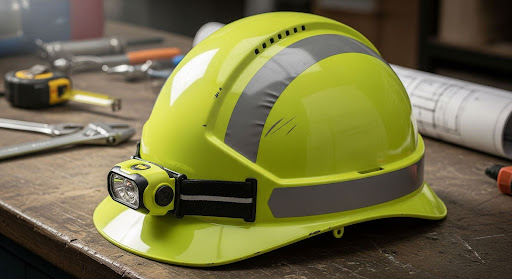
- Discuss proper selection, fit, and maintenance of hard hats, gloves, safety glasses, and high-visibility clothing. Example: “Everyone check your safety glasses today—cracks reduce impact resistance.”
- Hazard Recognition and Reporting
- Train workers to spot risks before they become incidents. Use photos of real job site conditions and ask, “What’s wrong here?” Encourage anonymous reporting systems.
- Emergency Response Procedures
- Review evacuation routes, assembly points, and first aid access. Conduct mini-drills: “If the alarm sounds now, what’s your first move?”
- Worksite Housekeeping
- Emphasize how clutter leads to trips, fires, and inefficiency. Assign 5-minute clean-up periods at shift end.
- Fatigue and Mental Awareness
- Address the impact of long hours, lack of sleep, or personal stress on decision-making. Normalize speaking up when fatigued.
#### Equipment and Tool Safety
Equipment-related incidents are preventable with regular reinforcement.
- Safe Operation of Power Tools
- Focus on one tool per session—e.g., angle grinders. Cover blade guards, secure workpieces, and lockout/tagout procedures.
- Hand Tool Maintenance and Handling
- Dull chisels, frayed hammers, and loose wrenches cause injuries. Demonstrate proper storage and inspection.

- Ladder Safety: Setup and Use
- Teach the 4:1 rule (one foot out for every four feet up), three-point contact, and never standing on the top two rungs.
- Forklift and Material Handling Safety
- Reinforce load limits, blind spot awareness, and pedestrian separation zones.
- Scaffold and Aerial Lift Safety
- Cover pre-use inspections, guardrail checks, and fall protection when working at height.
Practical Tip: Bring the actual tool or equipment to the talk. Let workers inspect it and ask questions on the spot.
#### Environmental and Situational Hazards
Conditions change daily. Talks should too.
- Working in Extreme Heat or Cold
- In summer, discuss hydration, rest breaks, and signs of heat exhaustion. In winter, address frostbite prevention and icy surface navigation.
- Confined Space Entry Procedures
- Review permit requirements, gas testing, ventilation, and rescue plans—even if entry isn’t scheduled that day.
- Noise Exposure and Hearing Protection
- Identify high-noise zones and ensure proper fit of earplugs or muffs. Share audiogram results (anonymized) to show long-term risk.
- Weather-Related Risks (Wind, Rain, Lightning)
- Establish clear protocols: “When thunder is heard, all outdoor work stops immediately.”
- Night Work and Low-Light Safety
- Stress lighting adequacy, high-vis gear, and increased communication due to reduced visibility.
#### Behavioral and Team Safety Topics
Safety is a team sport. These topics build cohesion and accountability.
- Stop Work Authority
- Empower every worker to halt operations if they see a danger. Reinforce: “No job is so urgent that we can’t stop for safety.”
- Near-Miss Reporting and Learning
- Share anonymized near-miss stories. Ask: “What could we have done differently?” Normalize reporting without blame.
- Team Communication on the Job Site
- Highlight hand signals, radio protocols, and the importance of clear, confirmed instructions.
- Substance Use and Impairment
- Address both illegal drugs and prescription medication risks. Clarify company policy and support resources.
- Stress and Mental Health at Work
- Create space for open dialogue. Provide info on employee assistance programs (EAPs).
#### Industry-Specific Toolbox Talk Topics
Customize for your sector to maximize relevance.
Construction: - Fall Protection Systems (harnesses, lanyards, anchor points) - Excavation and Trench Safety - Welding and Hot Work Permits - Crane and Rigging Signals - Silica Dust Exposure and Respiratory Protection
Manufacturing: - Machine Guarding and Lockout/Tagout (LOTO) - Chemical Spill Response - Ergonomic Setup at Workstations - Conveyor System Safety - Fire Prevention in Spray Booths
Utilities and Electrical Work: - Arc Flash Protection and PPE - Working Near Live Circuits - Underground Utility Locating - Transformer Yard Safety - Insulated Tool Use and Testing
How to Rotate and Implement Topics Effectively
A static list leads to stale talks. Rotate topics strategically:
- Create a 12-Month Calendar
- Map high-risk seasons (e.g., heat stress in summer, slips on ice in winter) and align topics accordingly.
- Link to Job Tasks
- If crews are installing roofing, schedule ladder safety, fall protection, and UV exposure talks the week prior.
- Use Incident Trends to Guide Topics
- More near-misses with forklifts? Run a series on material handling safety.
- Rotate Facilitators
- Having different crew members lead talks increases engagement and ownership.
- Track Attendance and Feedback
- Use a simple sign-in sheet and ask one follow-up question: “What’s one thing you’ll do differently after today?”
Avoid overloading: keep talks under 10 minutes, focused on one clear takeaway.
Common Pitfalls to Avoid
Even with a strong list of topics, execution can fall flat.
- Too Much Lecture, Not Enough Dialogue
- Ask open-ended questions: “What’s the biggest hazard we face when working at night?”
- Ignoring Worker Input
- Let the team suggest topics. A laborer might raise concerns a supervisor overlooks.
- Failing to Document
- Record topics, attendees, and key points. This proves compliance during audits.
- Using Outdated or Generic Content
- A talk on “safety” is useless. A talk on “Proper Trench Shoring in Clay Soil” is actionable.
- Scheduling at the Wrong Time
- Don’t hold talks when workers are rushing to start or eager to leave. First thing after roll call works best.
Make It Stick: Turn Topics into Action
The best toolbox talk ends with a call to action.
After discussing PPE, require everyone to inspect their gear before dispersing. After a near-miss review, assign someone to update the hazard log. After a heat stress talk, distribute electrolyte packets.
Turn discussion into behavior. That’s how safety becomes culture.
Use visual aids—a whiteboard, photo, or actual equipment—whenever possible. Stories resonate more than statistics. Share a real incident from another site and ask, “Could this happen here?”
And always end with: “If you see something, say something. Your voice matters.”
Final Thought: Quality Over Quantity
You don’t need a new topic every day. You need the right topic at the right time. Build your list from real risks, real tasks, and real conversations. Rotate with purpose. Engage with authenticity. A five-minute talk on ladder safety could prevent a life-altering fall.
Start with the topics here, adapt them to your environment, and make them part of your team’s rhythm. Safety isn’t a checkbox—it’s a conversation that never ends.
FAQ
What is a good frequency for toolbox talks? Weekly is ideal for most teams. Daily may be necessary during high-risk tasks or after incidents.
Who should lead a toolbox talk? Supervisors typically lead, but rotating among experienced crew members boosts engagement and ownership.
How long should a toolbox talk last? Keep it between 5 and 10 minutes—focused, interactive, and relevant to that day’s work.
Do toolbox talks need to be documented? Yes. Record the topic, date, facilitator, attendees, and key points for compliance and tracking.
Can toolbox talks reduce workers’ compensation claims? Yes. Regular, relevant talks reduce incidents by increasing awareness and reinforcing safe behaviors.
Should toolbox talks be the same across all sites? No. Customize topics based on site-specific risks, tasks, weather, and crew experience.
How do you keep toolbox talks from becoming repetitive? Use a 12-month plan, rotate facilitators, tie topics to current work, and invite worker input.
FAQ
What should you look for in Essential Toolbox Talk Topics for Safer Work Sites? Focus on relevance, practical value, and how well the solution matches real user intent.
Is Essential Toolbox Talk Topics for Safer Work Sites suitable for beginners? That depends on the workflow, but a clear step-by-step approach usually makes it easier to start.
How do you compare options around Essential Toolbox Talk Topics for Safer Work Sites? Compare features, trust signals, limitations, pricing, and ease of implementation.
What mistakes should you avoid? Avoid generic choices, weak validation, and decisions based only on marketing claims.
What is the next best step? Shortlist the most relevant options, validate them quickly, and refine from real-world results.