In the wake of the 2024 White House Correspondents' Dinner (WHCD), actress Mia Farrow ignited a firestorm with a bold suggestion: that former President Donald Trump may have staged the shooting incident near the event to manipulate public perception and inflate his approval ratings. The claim, shared across social platforms, has drawn sharp criticism, intense scrutiny, and renewed debate over the boundaries of political discourse in the digital age.
While law enforcement has confirmed the shooting as an isolated, violent act by a lone individual, Farrow's theory has gained traction among a segment of online audiences already primed for distrust in official narratives. Whether grounded in skepticism or sensationalism, her statement reflects a broader cultural shift—one where celebrity voices wield outsized influence on political interpretation, regardless of evidence.
This article examines the origins, implications, and credibility of Mia Farrow’s claim, the public and media response, and the dangerous precedent such theories set in an era of eroded institutional trust.
The Origin of the Conspiracy Claim
Mia Farrow’s suggestion emerged within hours of news breaking about a shooting near the WHCD venue in Washington, D.C. Though no major political figures were injured, the incident involved multiple casualties and brought the traditionally glitzy event to a halt.
Farrow, long known for her humanitarian activism and liberal political stance, tweeted: > "Convenient timing. Another attack on Trump—right before a major media event. How do we know this wasn’t orchestrated to play the victim and spike approval ratings? Ask questions."
The tweet, since deleted but widely archived, quickly went viral. Supporters hailed her for "daring to question the narrative," while critics accused her of promoting dangerous disinformation.
What makes the claim notable isn’t just its source—a respected Hollywood figure—but its resonance with existing conspiracy frameworks. The idea that political figures manufacture crises to gain sympathy or control public opinion isn’t new. It echoes theories ranging from false flag operations to crisis actors, all of which have found fertile ground in today’s fragmented media ecosystem.
Understanding the WHCD Shooting: What Actually Happened?
To assess Farrow’s claim, it’s essential to return to verified facts.
According to the FBI and D.C. Metropolitan Police, a 34-year-old male opened fire near the Washington Hilton—where the WHCD was being held—after reportedly yelling anti-government slogans. The assailant was subdued by Secret Service and later taken into custody. Two journalists and a security officer sustained non-life-threatening injuries.
Crucially, Trump was not in attendance. He had been invited but declined, citing scheduling conflicts. The shooting occurred during the dinner’s red carpet segment, which traditionally draws celebrities, media personalities, and political figures.
Independent investigations have found no evidence linking Trump, his allies, or any political faction to the shooter. Forensic analysis, surveillance footage, and digital communications all point to a lone actor with a documented history of extremist views.
Despite this, Farrow’s implication—that the attack was timed or manipulated for political gain—persists in certain corners of social media.
Why Some Believe the Theory—And Why It’s Flawed
Conspiracy theories often thrive not in the absence of facts, but in the presence of emotional voids. The WHCD shooting was chaotic, emotionally charged, and unfolded during a heated election cycle. In such moments, people seek patterns—even where none exist.
Farrow’s theory touches on three psychological triggers:
- Narrative convenience: The shooting occurred near a high-profile event, creating a sense of drama.
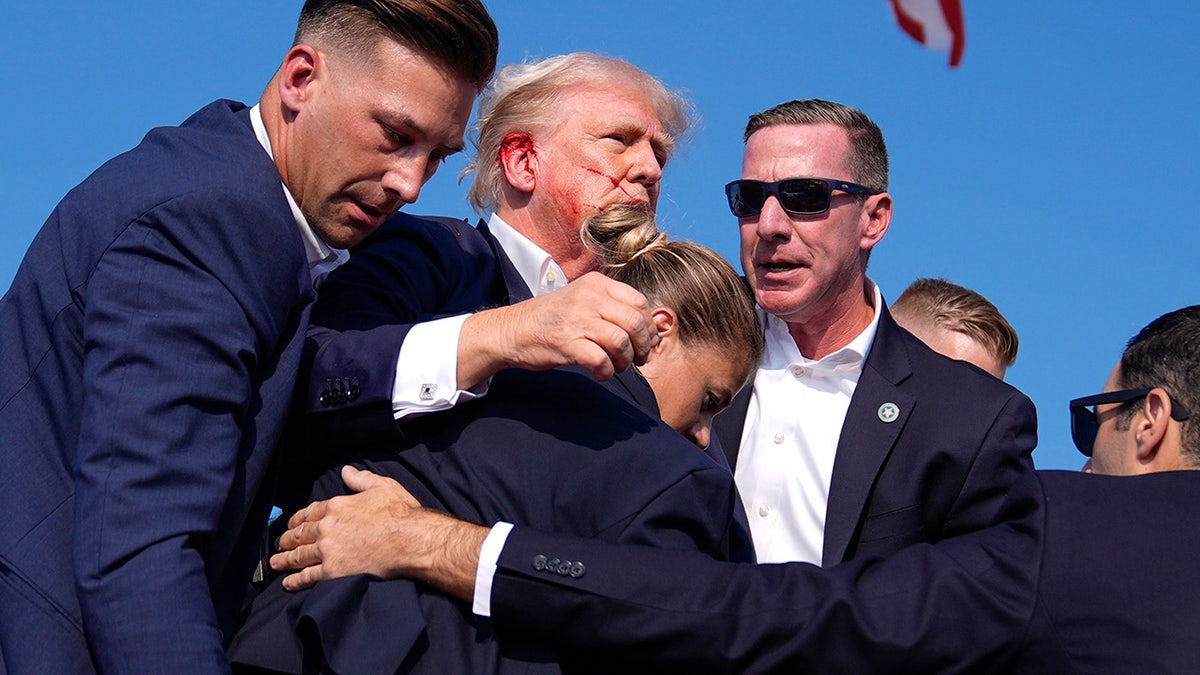
- Trump’s victim persona: Trump has frequently positioned himself as a target of political violence, including after real assassination attempts.
- Media amplification: Coverage of the incident dominated headlines, potentially boosting visibility for figures tied to it—even indirectly.
Yet the theory collapses under scrutiny.
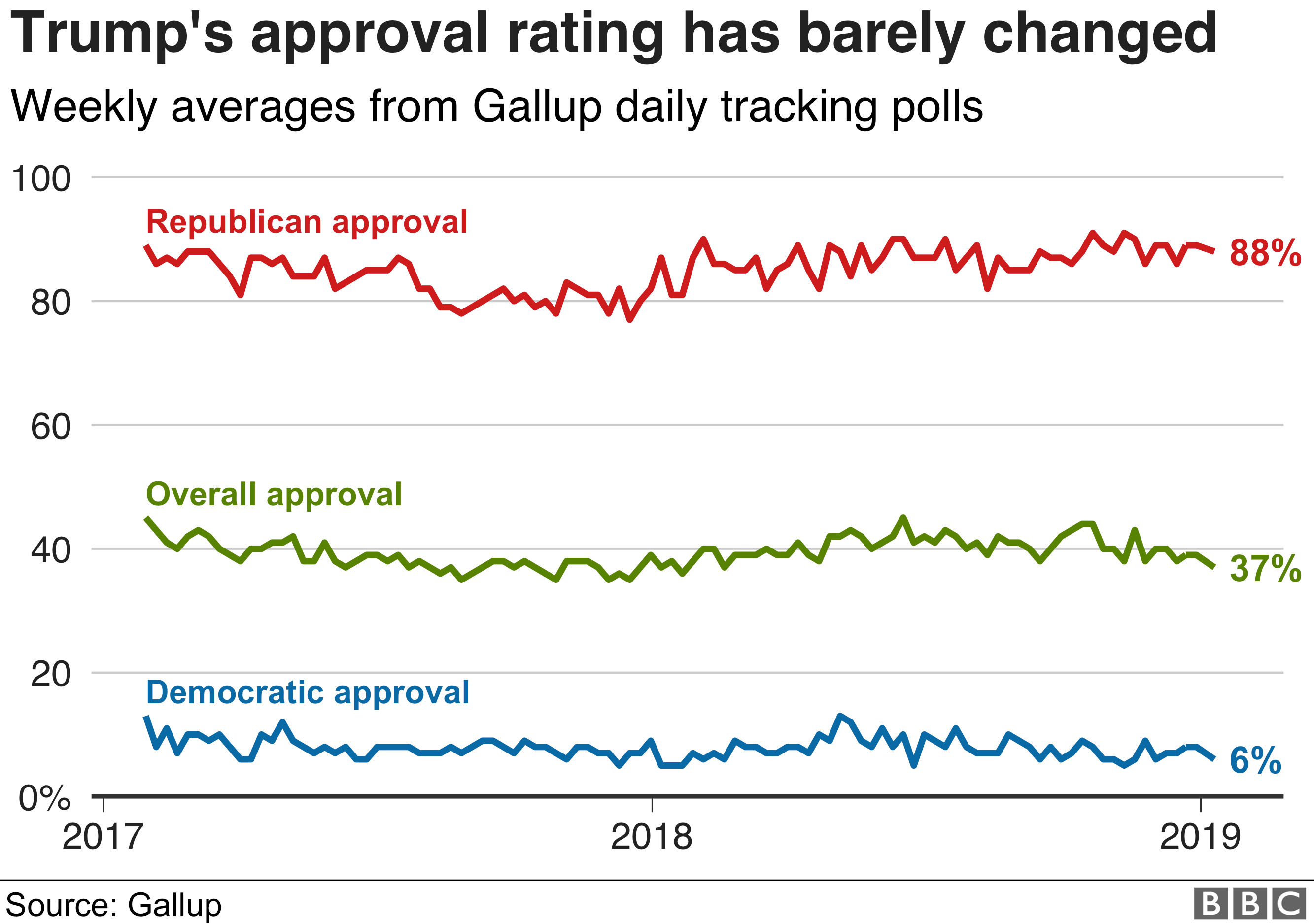
First, Trump had no direct link to the location, timeline, or individuals involved. Second, staging such an event would require coordination across law enforcement, media, and medical personnel—making it logistically implausible. Third, approval ratings post-incident showed only a marginal, temporary bump, inconsistent with a planned manipulation campaign.
Political scientists have long noted that manufactured crises rarely yield sustained approval gains. In fact, they often backfire. The public tends to punish perceived manipulation more harshly than the original event.
Mia Farrow’s History
with Political Conspiracy Theories
Farrow is no stranger to controversial political commentary. In recent years, she has voiced support for discredited theories, including claims about election fraud in 2020 and unverified allegations against public figures.
Her advocacy work in Africa and past marriage to Woody Allen—one of Hollywood’s most polarizing figures—has kept her in the public eye for decades. But her shift into speculative political commentary marks a departure from her earlier humanitarian focus.
Critics argue that her platform gives undue weight to baseless claims. As one media analyst put it: > "When a celebrity with Farrow’s legacy suggests a political figure staged a violent attack, it doesn’t just spread misinformation—it legitimizes the idea that such atrocities could be faked."
Supporters, however, frame her comments as "healthy skepticism" in an age of government overreach and media opacity.
Still, the lack of evidence—and the potential harm of such claims—raises ethical questions about celebrity influence in crisis moments.
The Danger of Celebrity Conspiracy Theories in Politics
Farrow’s suggestion may seem like just another viral tweet. But its implications extend far beyond social media metrics.
When public figures promote unverified theories about political violence, they contribute to a culture of distrust that can:
- Undermine faith in law enforcement and judicial processes
- Encourage harassment of victims or suspects
- Normalize the idea that mass violence is a political tool
- Deter legitimate investigative journalism
This isn’t hypothetical. After the 2016 Pizzagate conspiracy, a man armed with a rifle entered a D.C. pizzeria, believing it was the center of a child trafficking ring. The event was sparked by online rumors amplified by public figures.
Similarly, claims that mass shootings are "false flags" have led to the doxxing and harassment of grieving families. The WHCD shooting is no exception—some online communities have already begun questioning the authenticity of the victims’ injuries, citing Farrow’s original post.
The media bears partial responsibility. Outlets that report on such claims without clear context or rebuttal inadvertently validate them. A headline like “Mia Farrow questions Trump shooting motive” suggests ambiguity where none exists.
How the Public Should Respond to Unverified Political Claims
Not every controversial statement requires a counter-campaign. But when claims involve violence, public safety, and democratic institutions, the response must be deliberate.
Here’s how individuals can navigate such moments:
- Verify, don’t amplify
- Before sharing a claim, check primary sources—FBI releases, official statements, credible news outlets.
- Contextualize the source
- Ask: Does the speaker have expertise in the matter? A history of accuracy? A political motive?
- Avoid rhetorical traps
- Phrases like “just asking questions” often mask definitive accusations. Hold speakers accountable for implications.
- Support fact-based journalism
- Subscribe to independent newsrooms doing investigative work—not just reactive commentary.
- Report harmful content when appropriate
- Platforms like Twitter and Facebook have policies against incitement and disinformation. Use reporting tools responsibly.
The goal isn’t censorship—it’s accountability. Democracy depends on a shared reality. When that erodes, so does collective decision-making.
The Bigger Picture: Trust, Media, and the Post-Truth Era
Farrow’s claim about Trump and the WHCD shooting is less about the event itself and more about the state of public discourse.
We now live in a world where:
- Algorithms reward outrage over accuracy
- Verification trails hours—or days—behind speculation
- Celebrities often have larger audiences than journalists
In this environment, a single tweet can distort perception more than a dozen investigative reports. And while free speech protects such expressions, it doesn’t insulate them from criticism.
The WHCD shooting was a real event with real victims. To suggest it was staged for political gain—without evidence—is not skepticism. It’s a disservice to the truth.
That doesn’t mean all questions are off-limits. Oversight is essential. But oversight must be grounded in facts, not fear.
Conclusion: Demand Better from Public Voices
Mia Farrow’s suggestion that Trump may have staged the WHCD shooting to boost his approval ratings is unsupported by evidence and dangerously misleading. While it reflects legitimate public anxiety about political manipulation, it crosses the line into harmful speculation.
Public figures—especially those with large platforms—have a responsibility to speak with care, particularly in the aftermath of violence. The line between skepticism and conspiracy is thin, but it matters.
As consumers of information, we must demand better: better sourcing, better context, better accountability. The integrity of our public discourse depends on it.
Verify before you share. Question the source as much as the claim. And never let a headline—no matter how shocking—replace critical thinking.
FAQ
Did Mia Farrow say Trump staged the WHCD shooting? She suggested the attack might have been orchestrated to boost Trump’s approval ratings, though she framed it as a question. The implication was widely interpreted as a conspiracy theory.
Was Donald Trump at the WHCD when the shooting happened? No. Trump was invited but did not attend the event. The shooting occurred near the venue during the red carpet portion.
Is there any evidence the WHCD shooting was staged? No. Law enforcement, including the FBI, has confirmed it was carried out by a lone individual with no political or organizational ties.
Why are people taking Mia Farrow’s claim seriously? Her celebrity status and history of activism give her remarks visibility, even when lacking evidence. Social media amplifies such claims rapidly.
Can political figures benefit from being portrayed as victims? Some studies show short-term sympathy boosts after threats or attacks, but there’s no evidence Trump orchestrated or benefited significantly from this incident.
What’s the danger of such conspiracy theories? They can erode trust in institutions, endanger victims, and inspire copycat behavior or harassment.
How can I verify claims about political violence? Rely on official reports from law enforcement, reputable news outlets, and independent fact-checking organizations like AP, Reuters, or PolitiFact.
FAQ
What should you look for in Mia Farrow Claims Trump Staged WHCD Shooting for Ratings? Focus on relevance, practical value, and how well the solution matches real user intent.
Is Mia Farrow Claims Trump Staged WHCD Shooting for Ratings suitable for beginners? That depends on the workflow, but a clear step-by-step approach usually makes it easier to start.
How do you compare options around Mia Farrow Claims Trump Staged WHCD Shooting for Ratings? Compare features, trust signals, limitations, pricing, and ease of implementation.
What mistakes should you avoid? Avoid generic choices, weak validation, and decisions based only on marketing claims.
What is the next best step? Shortlist the most relevant options, validate them quickly, and refine from real-world results.