When a beloved franchise stirs debate over one of its most polarizing characters, the conversation rarely stays confined to fan forums. It spills into interviews, social media, and press tours—especially when the actor behind the character isn’t afraid to speak their mind. Recently, a lead performer from the Mass Effect series has reignited discussion not just about their role, but about how legacy characters are handled in long-running sci-fi narratives.
Their comments aren’t just nostalgic reflection—they’re a direct response to years of fan division, narrative ambiguity, and growing speculation about remasters, sequels, and the future of the Mass Effect universe.
This isn’t merely about whether a character should return. It’s about how actors navigate creative choices they didn’t fully control—and how fans interpret those choices years later.
The Controversial Character at the Heart of the Storm
Among the ensemble cast of Mass Effect, few characters have drawn as much ire—and unexpected defense—as Conrad Verner.
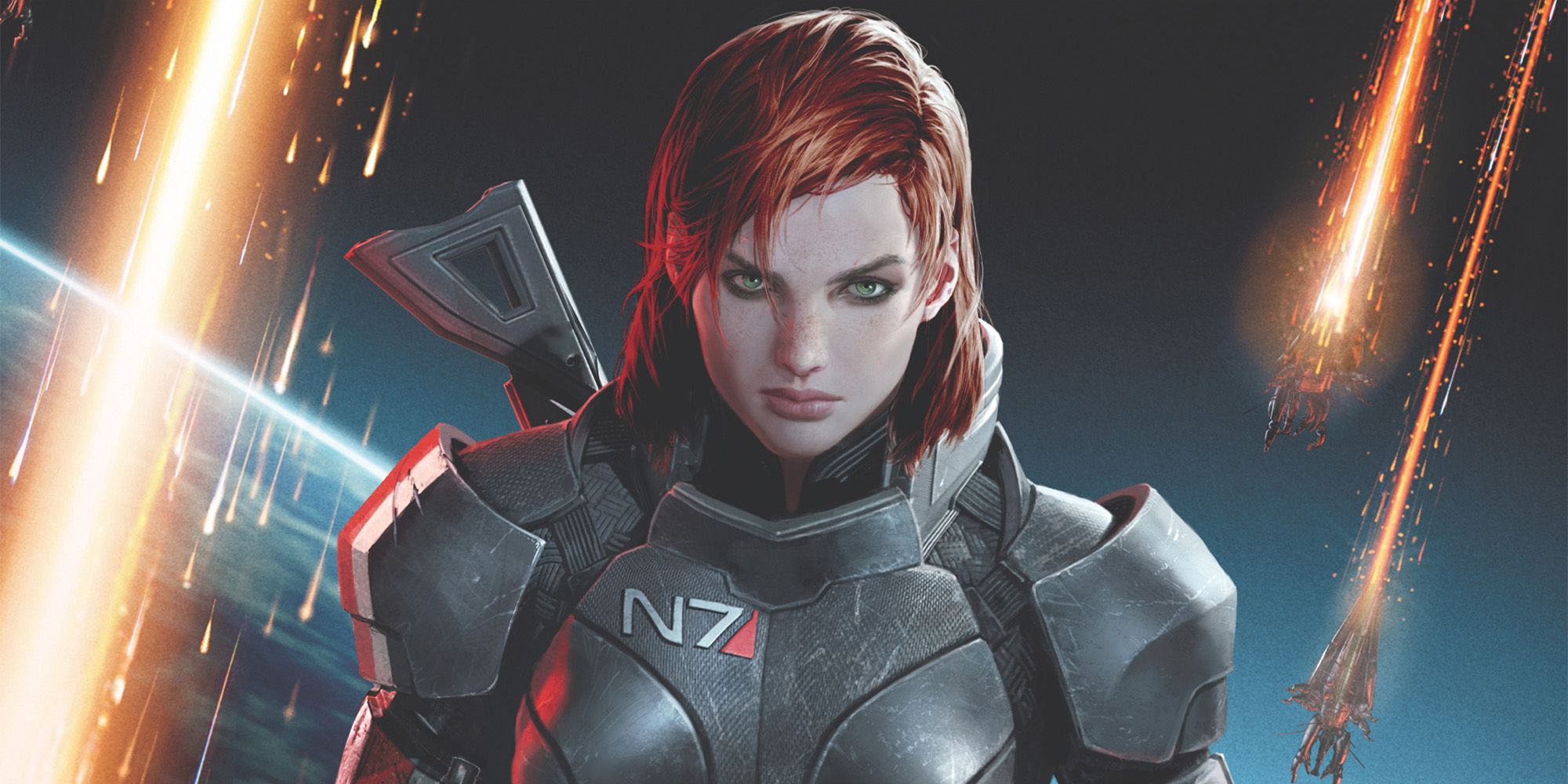
Introduced in Mass Effect 1 as an overeager, borderline delusional fan of Commander Shepard, Verner’s arc culminates in a tragicomic moment on Virmire: he dons ill-fitting N7 armor, stumbles into combat, and is promptly vaporized by a geth sniper. The scene is jarring—not because it’s violent, but because it’s almost absurd. One moment, he’s a symbol of fandom; the next, he’s a cautionary tale.
To some players, Verner was a cringe-worthy misstep—an unnecessary satire of the player base. To others, he was a poignant commentary on hero worship, identity, and the cost of living someone else’s dream.
Actor Steve Blum, best known for his prolific voice work in games and animation, voiced Verner. But his association with the role has been complicated by its divisive reception.
Steve Blum Responds: “I Knew He’d Be Hated”
In a 2023 interview with GameInformer, Blum didn’t shy away from the backlash.
“I walked into that session knowing exactly what they were doing,” Blum said. “They told me, ‘This guy’s a fanboy. He’s enthusiastic, but he’s in over his head.’ I leaned into that. I wanted him to sound genuine, not cartoonish—because the tragedy isn’t that he dies. It’s that he believes he belongs.”
Blum’s insight cuts to the core of the controversy: Verner wasn’t meant to be a joke. He was meant to mirror the player—the person putting on metaphorical N7 armor every time they fire up the game.
Yet many fans interpreted his death as BioWare mocking them.
Blum acknowledges the discomfort. “I get it. No one wants to see a version of themselves get sniped in the face. But I always saw Verner as brave, in his own way. He showed up. He tried. That matters.”
Why Verner Still Matters in the Mass Effect Legacy
Fan debates over Verner often overlook a critical point: he’s one of the few non-combatants in the trilogy who actively chooses to enter the battlefield.
Most civilians in Mass Effect are victims—collateral damage in a galactic war. Verner, however, makes a conscious, flawed, and fatal decision to act.
That narrative weight has gained appreciation over time. With the rise of self-referential storytelling in games—from Undertale to The Stanley Parable—Verner feels less like an outlier and more like an early experiment in meta-commentary.
Blum sees it similarly. “He was ahead of his time. Now, we see games constantly breaking the fourth wall. But back then? Verner was a risk. A weird little human moment in a story about aliens and Reapers.”
His comments hint at a broader shift in how players engage with characters. We no longer just want paragons and renegades. We want flawed reflections—characters who reveal uncomfortable truths about why we play.
Could Conrad Verner Return in a Future Mass Effect Game?
Speculation is mounting. With BioWare reiterating plans for a new Mass Effect installment, rumors have surfaced about potential callbacks, legacy characters, and narrative resets.
Blum was asked directly: “Would you come back as Verner?”
His answer: “In a heartbeat. But not for nostalgia. If they bring him back, it should mean something.”
He proposed a compelling idea—what if Verner didn’t die on Virmire?
A persistent fan theory suggests that due to the chaos of the mission and potential save-file discrepancies, Verner’s death isn’t always confirmed. Some players report seeing him alive in later games. Others argue it’s a glitch. Blum didn’t confirm or deny—only smiled and said, “Continuity errors are just alternate timelines waiting to be explored.”
This opens a door: a redeemed Verner, older, wiser, running a fan memorial site for Shepard, or even serving as a civilian liaison in the post-Reaper galaxy. Imagine him coordinating refugee efforts on the rebuilt Citadel, still wearing that faded N7 patch—no longer deluded, but dedicated.
It’s the kind of character growth that Mass Effect excels at when it leans into humanity.
Fan Reactions: From Mockery to Redemption
The internet’s memory is long, but it’s also malleable.
When Mass Effect: Legendary Edition launched in 2021, players revisited Verner’s scene with fresh eyes. Reddit threads once titled “Why Verner Had to Die” gave way to posts like “I Think I Misjudged Verner” and “Verner Was the True Shepard.”
One user wrote: “I used to skip his dialogue. Now I pause and listen. He’s not annoying—he’s lonely. He just wanted to matter.”
Blum noticed the shift. “It took ten years, but people started seeing him as I did. That means more than any viral meme ever did.”
Still, not everyone’s convinced. Critics argue that Verner undermines the tone of the series, turning a moment of high stakes into farce. They point to other human characters—like Kaidan or Ashley—who embody soldierly duty without caricature.
But Blum’s defense remains grounded: “We don’t need every character to be a stoic warrior. The galaxy’s bigger than that. Sometimes, the person who matters most is the one who shows up scared—and does it anyway.”
What Other Mass Effect Actors Think
Blum isn’t the only performer to reflect on controversial roles.
Jennifer Hale, who voices female Commander Shepard and several other characters, once noted in a panel discussion that “every character serves a purpose—even the ones people love to hate.”
She specifically referenced Matriarch Benezia, whose possession by Sovereign sparked debate over wasted potential. “People wanted more from her,” Hale said. “But sometimes, tragedy is the point.”
Mark Meer, the original male Shepard, echoed this: “Not every arc is heroic. Not every death is noble. But they’re all part of the story.”
These reflections suggest a pattern: actors often understand the narrative function of their characters more clearly than fans do in the moment.
Emotional investment can cloud interpretation. Years later, with distance, context emerges.
Lessons for Game Writers and Developers
Verner’s arc—and the actor’s response to its legacy—offers critical insights for narrative design:
- Fan service can backfire if it lacks emotional grounding. Verner worked best when played sincerely, not satirically.
- Meta-commentary requires subtlety. A character representing the player must walk the line between reflection and parody.
- Redemption arcs don’t require resurrection. A character’s impact can evolve through reinterpretation, even posthumously.
- Actors are narrative partners. Blum’s performance added layers that weren’t fully scripted. Developers should trust voice talent to shape roles.
One studio narrative designer, who spoke anonymously, admitted, “We studied Verner when writing The Outer Worlds. How do you honor fandom without making fun of it? Blum’s take helped us find balance.”
The Future of Legacy Characters in Gaming
As franchises like Mass Effect, The Last of Us, and Horizon continue, the question isn’t just who returns—but how they return.
Do we resurrect characters for fan service? Or do we let them evolve in memory, shaped by time and perspective?
Blum’s stance is clear: “Bring Verner back if it serves the story. Not because people meme him. Not because he’s controversial. But because he still has something to say.”
That philosophy applies beyond one character. It’s a challenge to developers: treat legacy not as a checklist, but as a living narrative thread.
And to fans: reconsider the characters you once dismissed. They might be speaking to you in ways you weren’t ready to hear.
Closing: Rethink the Characters
You Love to Hate
Controversial characters aren’t flaws in a story—they’re invitations to dig deeper. Conrad Verner wasn’t a joke. He was a mirror.
When Steve Blum defends him, he’s not just protecting a role. He’s advocating for the messy, human side of science fiction—the belief that everyone, even the awkward fan in borrowed armor, deserves a moment in the narrative light.
As Mass Effect moves forward, the return of such characters shouldn’t be about nostalgia. It should be about meaning.
And if Verner ever steps back onto the Citadel docks, it shouldn’t be to be laughed at—but to be listened to.
FAQ
Why do some fans hate Conrad Verner? Many see him as a cringeworthy parody of gamers, especially due to his over-the-top admiration for Shepard and his abrupt, seemingly comic death on Virmire.
Did Steve Blum enjoy playing Conrad Verner? Yes. Blum has stated he approached the role with sincerity, seeing Verner as a brave, albeit misguided, individual who wanted to make a difference.
Is there canon proof that Verner survived Virmire? No. Officially, Verner dies during the mission. However, some players report glitches or inconsistencies, fueling fan theories about his survival.
Could Verner return in a future Mass Effect game? While unconfirmed, narrative flexibility in the series allows for alternate timelines or flashbacks. Steve Blum has expressed willingness to reprise the role meaningfully.
What does Verner represent in the Mass Effect story? He symbolizes fan devotion, the cost of hero worship, and the idea that ordinary people are affected by galactic conflicts—even if they’re not soldiers.
How has perception of Verner changed over time? Initially mocked, Verner has gained sympathy in recent years, with many fans reinterpreting him as a tragic, relatable figure shaped by trauma and hope.
What lesson does Verner’s story offer game developers? Even seemingly minor or controversial characters can gain emotional depth over time—especially when portrayed with authenticity and narrative purpose.
FAQ
What should you look for in Mass Effect Actor Speaks on Controversial Character’s Return? Focus on relevance, practical value, and how well the solution matches real user intent.
Is Mass Effect Actor Speaks on Controversial Character’s Return suitable for beginners? That depends on the workflow, but a clear step-by-step approach usually makes it easier to start.
How do you compare options around Mass Effect Actor Speaks on Controversial Character’s Return? Compare features, trust signals, limitations, pricing, and ease of implementation.
What mistakes should you avoid? Avoid generic choices, weak validation, and decisions based only on marketing claims.
What is the next best step? Shortlist the most relevant options, validate them quickly, and refine from real-world results.